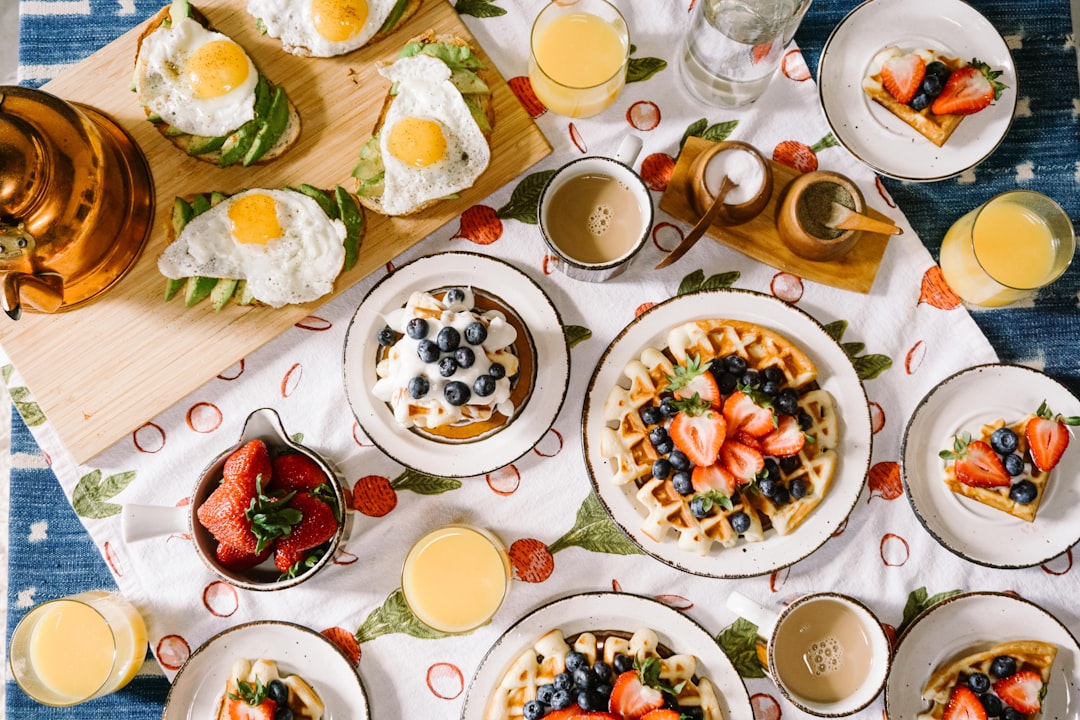
Harvesting Value: Incorporating Local Seasonal Ingredients for Breakfast
How B&Bs use local seasonal ingredients to craft sustainable, memorable breakfasts that support producers and delight guests.
For bed & breakfast owners, breakfast is where hospitality and place meet on a plate. A seasonal, locally sourced morning menu not only tastes better — it tells a story, supports nearby farms and artisans, and creates a memorable guest experience that turns visitors into repeat guests. In this definitive guide we’ll walk through planning, sourcing, menu design, operations, marketing and storytelling so your B&B can harvest real value from local ingredients and sustainability-driven culinary trends.
Throughout this guide you'll find practical checklists, a comparison table for choosing ingredients, recipe starters, and real-world examples drawn from how artisans, pop-ups and food producers connect to hospitality — including lessons from artisanal cheese producers and seasonal herb bundles like those described in our seasonal herb collections features.
1. Why Local & Seasonal Breakfast Matters
Freshness, flavor and nutrient density
Produce picked at peak ripeness has higher flavor complexity and better texture than imported items shipped before they’re ripe. That means crisper greens, more aromatic herbs and sweeter berries on your plates — translating directly to guest satisfaction and positive reviews. For inspiration on using coffee beyond the cup in dishes, see From Bean to Brew for ideas on using local coffee in batters, syrups and granolas.
Sustainability and the farm-to-table story
Using local ingredients reduces food miles and supports regional economies. Guests increasingly seek sustainable choices; featuring this on menus can be a competitive differentiator. For broader sustainability framing in travel choices, check our piece on sustainable travel choices.
Business value: margins, differentiation and repeat bookings
A seasonal menu can lower costs when you plan around abundant harvests (bulk berries in summer, root veg in autumn) and offer premium pricing during scarce months for specialty items. But the real value comes from differentiation: guests remember and share experiences like a farmhouse cheese board paired with locally produced jams — learn how small producers craft that magic in our artisanal cheese profile.
2. Mapping Local Agricultural Cycles
Build a local harvest calendar
Create a 12-month visual calendar listing peak seasons for produce within a 50-mile radius. Include fields for farmer availability, wholesale vs. direct purchase windows, and preservation opportunities. Seasonal herbs, for example, can be preserved into compound butters and syrups — take cues from seasonal herb bundles in our seasonal herb collections guide.
Understand micro-seasons and specialty producers
Not all local producers operate on the same timeline. Market gardeners may have extendable seasons under tunnels, while orchardists have narrow windows. Identify micro-season staples (eggs, fermented staples, root vegetables) that give you consistency year-round.
Coordinate with local artisans and makers
Beyond farms, local artisans like potters and makers form part of a place-forward breakfast experience — think handmade butter crocks or ceramic jam jars. Learn how community events foster maker culture in our feature on collectively crafted communities.
3. Sourcing: Building Relationships with Farmers & Producers
Start with market research and conversations
Visit farmers’ markets, co-ops and small-scale producers. Ask about volumes, delivery windows and their crop planning. Use initial conversations to discover unusual or heirloom varieties that give your menu a signature touch.
Formalize partnerships and bartering
Consider seasonal agreements: guaranteed minimum purchases in exchange for priority allocations and slightly lower pricing. Bartering — offering accommodation for a weekend or promoting a producer through your channels — can be mutually beneficial. Stories of local artisans and market dynamics are described in our Adelaide’s marketplace guide.
Source beyond produce: cheeses, baked goods, and condiments
Local value-adds like cheeses, preserves and artisan breads elevate your breakfast without requiring you to produce everything in-house. Profiles of regional cheesemakers show how producers differentiate with terroir-driven flavors — see artisanal cheese.
Pro Tip: Offer a rotating "Farmer of the Week" on your menu and social channels. Guests love named stories — it’s a small detail that drives loyalty and direct bookings.
4. Designing a Seasonal Breakfast Menu
Menu architecture: staples + seasonal highlights
Design menus with a base of reliable staples (eggs, toast, porridge), then layer seasonal highlights that change monthly. This reduces waste while keeping variety high. For cereal inspiration, explore blending techniques in The Art of Blending.
Balance flavors, textures and dietary needs
Offer at least one vegetarian and one gluten-free option every day. Build plates with a contrast of temperatures (warm porridge + chilled compote), textures (crunchy seeds + soft cheese), and tastes (herby, sweet, acidic) to create satisfying compositions.
Signature items that reflect place
Use a signature item as your marketing hook — it could be a fig jam made from a neighbor’s orchard, a coffee granola inspired by local roasters (see From Bean to Brew), or a compote that rotates with seasonal fruit.
5. Practical Dish Ideas and Recipes (Seasonal by Quarter)
Spring: green-forward plates
Spring menus highlight young greens, ramps, asparagus and early berries. A sample dish: soft-scrambled eggs with sautéed ramps, goat cheese, and sourdough — pair with a light herbal tea made from your seasonal herb bundles (seasonal herb collections).
Summer: fruit, fresh herbs and chilled dishes
Think chilled porridge topped with poached stone fruits, yogurt and a coffee-infused granola. For ideas on incorporating coffee into food, refer to From Bean to Brew.
Autumn & winter: roots, preserves and slow-cooked elements
Root veg hash with preserved lemon and smoked cheese makes a hearty option. Use preserved seasonal herbs and compotes to carry flavors through the lean months. For inspiration on healthy sweet preparations with quality ingredients, see Crafting Healthy Sweet Treats.
6. Operations: Inventory, Storage & Prep
Batch prep and preservation to stabilize supply
Learn preservation methods: freezing fruit at peak ripeness, quick-pickling surplus veg, and fermenting herbs into pastes. These methods let you feature local flavors year-round while reducing waste.
Food safety and labeling
Label preserved goods with date, source, and use-by instructions. Train staff on cross-contamination controls for allergens and dietary restrictions. Consistent labeling also supports storytelling — guests like to know where their jam came from.
Cost control and portioning
Portion control reduces waste. Build recipe cards with exact weights and counts for each dish. A small reduction in serving size paired with a higher perceived value (local specialty) is often accepted by guests.
7. Ambiance, Scenting and Presentation
Setting the scene with locally sourced tableware
Presenting local food on local ceramics deepens the sense of place. Consider sourcing handmade plates from regional potters; learn about the pottery market in our pottery auction feature to understand the maker economy.
Innovative scenting to complement food
A subtle scent strategy (fresh citrus or baked bread notes) can prime appetite without overpowering food aromas. Innovative scenting techniques are explored in Innovative Scenting Techniques.
Local linens and sustainable packaging
Use organic or locally produced linens for a tactile signature. For to-go breakfasts, choose compostable or reusable packaging and reference sustainable packaging trends to guide choices (sustainable packaging trends).
8. Storytelling & Guest Experience
Menu copy that sells the story
Short, evocative descriptions that name farms and farmers increase perceived value. For example: "Honey-glazed scones with meadow-honey from Willow Creek Farm" is stronger than "house scones with honey."
Interactive elements and local discovery
Create add-ons like a weekly market tour, a visit to a cheesemaker, or a "meet the farmer" breakfast as premium experiences. The role of community events in connecting guests to makers is covered in Collectively Crafted.
Language, culture and guest engagement
For international visitors, small experiences like a one-page pronunciation guide to local produce or a language game at breakfast deepen engagement. For creative ways to use language-based games to engage guests, see Unlocking Japanese Language Games for inspiration on playful learning techniques.
9. Marketing, Pricing & Partnerships
Positioning your seasonal menu
Use social media to showcase the season’s hero ingredient and the producer behind it. A rotating hero item encourages repeat visits — promote it with behind-the-scenes photos and short producer interviews.
Partner with local food events and pop-ups
Collaborate with street-food pop-ups and local chefs for themed breakfasts or evening tasting events. We’ve seen how street food pop-ups generate buzz and new audiences in Street Food Pop-Ups.
Leverage cross-sector partnerships
Work with local tour operators, transport providers, and artisan markets to create packages. For example, tie a weekend stay to a sustainable travel route or local bus line that reduces car use — see how bus transport fits into sustainable travel in Sustainable Travel Choices.
10. Case Studies & Inspiration
Case study: Cheese-forward breakfasts
A B&B paired local breakfast cheeses with house-made preserves and sourdough, promoting the producer each week. Learn about the producer side of cheese in our deep dive on artisanal cheese.
Case study: Market-to-table rotation
One inn created a Friday market basket breakfast, featuring items purchased that morning. It drove early check-ins and increased breakfast add-on sales. This mirrors how marketplaces connect makers and buyers in our Adelaide’s marketplace guide.
Case study: Pop-up collaborations
Collaborating with pop-up vendors allowed a small B&B to test menu items with minimal risk. Lessons from small-scale pizzerias and pop-ups show the value of testing concepts — see Behind the Scenes: Pizzerias for operational lessons that translate to breakfast pop-ups.
11. Comparison Table: Choosing Seasonal Ingredients for Your Menu
Use this table to quickly compare typical seasonal breakfast ingredients — their prime months, storage life, sourcing tips, and best breakfast uses.
| Ingredient | Prime Season | Storage / Shelf Life | Sourcing Tip | Best Breakfast Uses |
|---|---|---|---|---|
| Strawberries | Late spring to early summer | 3–5 days refrigerated; freeze for preserves | Buy at markets days of peak ripeness; ask about varieties | Compotes, yogurt topping, shortcakes |
| Leafy Greens (spinach, arugula) | Spring and fall | 3–7 days refrigerated; can be blanched & frozen | Micro-farmers offer young-greens mixes year-round | Egg dishes, salads, green smoothies |
| Seasonal Herbs (basil, thyme, ramps) | Spring–summer (varies by herb) | 5–10 days refrigerated; freeze in oil or butter | Buy in bunches; preserve as compound butters | Compound butter, garnishes, infused syrups |
| Apples / Pears | Autumn | Weeks to months if stored cool; make into compotes | Negotiate bulk pricing with orchardists for preserves | Baked porridge, compotes, pancakes |
| Local Cheese | Year-round (varies by producer) | Varies by type; soft cheeses shorter, aged cheeses longer | Build a relationship for weekly or biweekly deliveries | Cheese boards, omelettes, savory tarts |
12. Measuring Success & Continuous Improvement
Key metrics to track
Track food cost percentage, breakfast attachment rate (percent of guests purchasing breakfast), seasonal item popularity, and waste. Increases in social shares and guest reviews referencing local ingredients are qualitative metrics that correlate with long-term growth.
Guest feedback loops
Use a simple post-breakfast card or digital follow-up to ask which items they recall and why. Small, targeted surveys will reveal which seasonal items built memory and which created friction.
Iterate with producers
Share feedback with suppliers: what sells, what doesn’t, and what guests loved. This strengthens relationships and improves seasonal planning for next year. Many innovators in low-chemical agriculture share actionable lessons in Innovations in Chemical-Free Agriculture.
13. Scaling Ideas: From Weekend B&B to Local Food Hub
Host workshops and tasting events
Offer morning workshops such as jam-making with local fruit or bread baking. These experiences create ancillary revenue and deepen the local food narrative.
Retail opportunities
Sell leftover preserves, granola and curated local goods (like artisan ceramics or small-batch honey) at checkout. For guidance on maker economies and selling local artisanal goods, check our marketplace piece Adelaide’s Marketplace.
Seasonal pop-up collaborations
Bring in weekend pop-ups to test night-time revenue concepts or value-add breakfast tents during festivals — street-food pop-up models can be adapted for small properties (Street Food Pop-Ups).
14. Operational Inspirations from Other Food Sectors
Lessons from small pizzerias and stalls
Pizzerias succeed with tight menus, ingredient focus and systems for fast execution — lessons easily adapted to breakfast service. Read operational takeaways in Behind the Scenes: Pizzerias.
Using scent, texture and presentation: cross-industry cues
Brands outside hospitality deploy scent and presentation to create memory; incorporate subtle ambient strategies covered in Innovative Scenting Techniques.
Packaging and sustainable product design
If you sell takeaways or retail items, adopt sustainable packaging approaches discussed in our sustainable packaging overview (Sustainable Packaging Trends).
FAQ: Frequently Asked Questions
Q1: How do I price seasonal dishes with variable ingredient costs?
A1: Use cost-plus pricing with a buffer for volatility (1.5x–2x food cost) and rotate a premium "limited" item priced higher. Track ingredient costs monthly and update menu prices quarterly.
Q2: What if my local suppliers can’t deliver consistent quality?
A2: Diversify suppliers (at least two per category), institute quality checks, and build short-term contracts. Preservation strategies (freezing, pickling) offer contingency stock during gaps.
Q3: How can I advertise local sourcing without being artisan-washed?
A3: Be specific. Name farms, list ingredient provenance, and show photos. Authenticity beats generic claims; back up statements with supplier names and transparent practices.
Q4: How to reduce waste when offering seasonal menus?
A4: Use cross-utilization across dishes, preserve surplus (compotes, pickles), and track plate waste weekly. Train staff on portioning and creative use of leftovers in staff meals.
Q5: Can small B&Bs emulate farm-to-table at a low scale?
A5: Absolutely. Focus on a rotating hero ingredient, partner with one or two local producers, and provide excellent storytelling. Small, high-quality touches often outperform broad but shallow attempts.
15. Final Checklist & Next Steps
30-day starter plan
Week 1: Map local producers and visit markets. Week 2: Choose 1–2 hero ingredients and test recipes. Week 3: Build supplier agreements and preservation plans. Week 4: Train staff and soft-launch the seasonal menu with a feedback card.
90-day operational checklist
Include inventory policy, supplier cadence, recipe cards, and a basic marketing plan to highlight the seasonal hero on social channels. Revisit pricing after the first month of sales.
Ongoing improvement
Collect guest feedback, track metrics, and iterate. Share wins with partners — producers appreciate data and guest praise, which strengthens long-term sourcing relationships.
Across every section of this guide we’ve referenced adjacent industries and supplier stories to give B&B hosts concrete ideas to implement. Whether you’re using herbs preserved from seasonal herb bundles, creating a coffee granola inspired by From Bean to Brew, or sourcing a local cheese board influenced by artisanal cheese producers, the payoff is the same: a breakfast that tastes of place, builds community, and increases the bottom line.
For further inspiration on how small food businesses test ideas and scale, read about creative small-scale food models such as street-food pop-ups (Street Food Pop-Ups) and community maker markets (Collectively Crafted).
Related Reading
- Top Essential Gear for Winter Adventures in Alaska - Tips for seasonal travel packing that help guests plan stay-and-activity weekends.
- Chasing Celestial Wonders: Best Spots in Mallorca - How destination events create seasonal demand for short stays.
- Celebrate Community: Halal Brands & Special Occasions - Inclusive hospitality ideas for community-aligned events.
- Bargain Cinema: Movie Night on a Budget - Creative low-cost event ideas for guest entertainment.
- Success Stories: Community Challenges and Their Impact - Community-driven programs that inspire repeat local visitors.
Related Topics
Rowan Ellis
Senior Editor & Hospitality Strategist
Senior editor and content strategist. Writing about technology, design, and the future of digital media. Follow along for deep dives into the industry's moving parts.
Up Next
More stories handpicked for you

Weathering Economic Changes: How B&Bs Can Stay Resilient in Challenging Times

Budget-Friendly Gaming Laptops for Digital Nomads: Perfect for Your B&B Stay

Netflix & Chill: Transforming Your B&B into a Cozy Movie Retreat
Transforming Your B&B into a Cozy Escape: Embracing Minimalism for Traveler Serenity

Prepare for a Zombie Apocalypse: Themed Events to Attract Adventurous Guests to Your B&B
From Our Network
Trending stories across our publication group

Winter Escapes: Top B&Bs Near Minnesota's Ice Fishing Competitions

How to Market a Guesthouse’s ‘Real Value’ Without Competing on Price Alone

The Cultural Connection: B&B Hosts Share Breakfast Recipes Inspired by Local Flavors

Where to Stay for an Active City Break: Guesthouses Near Beaches, Trails, and Easy Transit
Mapped for Success: Navigating Booking Policies for B&Bs in Winter Destinations
